The Key Differences Between Residential and Commercial Tarmac Surfacing
Tarmac is a popular surfacing option for both residential and commercial properties because it provides a practical, durable and versatile finish. However, the requirements of a residential driveway can differ considerably from those of a commercial access road, car park or larger paved area. Understanding these differences is important when choosing the right surfacing solution for your property.
Although both applications use similar materials and construction methods, factors such as traffic levels, vehicle types, ground preparation and drainage requirements can influence how a tarmac surface should be designed and installed. In Chertsey, Surrey, property owners and businesses can benefit from selecting a solution that reflects the intended use of their outdoor space.
Residential Tarmac Surfacing: Designed Around Everyday Use
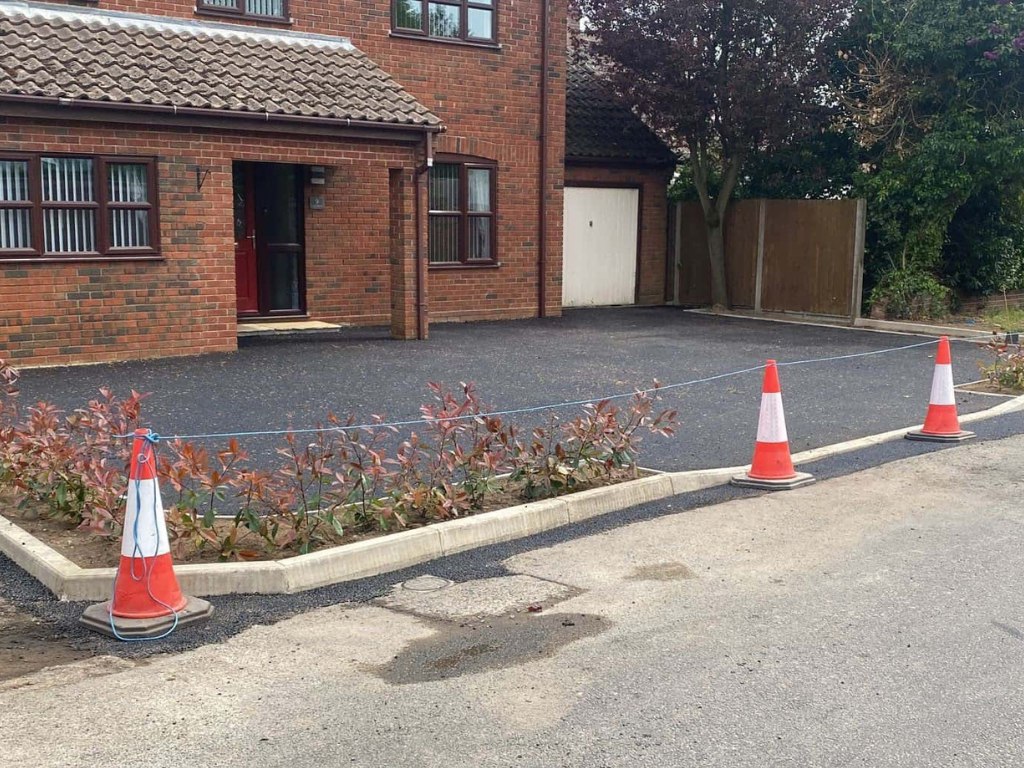
Residential tarmac surfacing is generally intended for driveways, private access paths and parking areas. These surfaces typically accommodate cars, small vans and occasional delivery vehicles rather than constant heavy traffic.
One of the main considerations for a residential driveway is creating an attractive finish that complements the property. Tarmac offers a neat, consistent appearance and can work well with different styles of homes. Its smooth surface also provides a convenient area for parking vehicles and accessing the property.
The construction of a residential driveway needs to account for the condition of the existing ground, expected vehicle use and how water will drain away. Proper excavation, a suitable sub-base and correct surface preparation help create a stable foundation. Without these stages, the finished driveway may develop depressions, cracking or areas of movement over time.
For homeowners in Chertsey, a professionally installed tarmac driveway can provide a practical surface for everyday parking while helping maintain a tidy and accessible entrance.
Commercial Tarmac Surfacing: Built for Greater Demands
Commercial tarmac surfacing is commonly used for business premises, car parks, service yards, access roads and other areas that experience regular vehicle movements. Unlike most residential driveways, these surfaces may need to accommodate a much wider range of traffic, including delivery vehicles, vans and heavier commercial vehicles.
As a result, the design and construction requirements are often more demanding. The surface needs to withstand repeated loading, turning movements, braking and general wear. The strength of the underlying foundation is particularly important because a suitable sub-base helps distribute vehicle loads and reduce the risk of premature deterioration.
Commercial projects may also involve larger surface areas, designated parking spaces, turning zones and access routes. These features need to be considered during the planning and preparation stages to ensure the finished surface supports the way the premises operate.
Drainage is another important factor. Poorly managed surface water can create standing water, affect usability and contribute to deterioration. The levels, falls and drainage arrangements should therefore be considered as part of the overall surfacing design.
Key Differences in Materials and Construction
Although residential and commercial tarmac surfacing use similar bituminous materials, the specification can vary depending on the intended application.
For residential driveways, the required construction is usually based on normal domestic vehicle use and the condition of the ground. Commercial installations may require a more substantial foundation and a different surfacing specification to cope with heavier or more frequent traffic.
The main differences often include:
- Expected traffic: Residential surfaces generally accommodate everyday domestic vehicles, while commercial areas may experience continuous traffic and heavier loads.
- Sub-base requirements: Commercial projects may need a stronger or deeper foundation, depending on ground conditions and vehicle movements.
- Surface specification: The type and thickness of the tarmac layers should reflect the expected loading and intended use.
- Drainage considerations: Both applications require effective water management, but larger commercial areas may involve more complex drainage arrangements.
- Project layout: Residential driveways are often designed around parking and access, whereas commercial surfaces may need to accommodate multiple vehicles, turning areas and operational access.
These differences demonstrate why the same approach should not automatically be used for every tarmac surfacing project.
The Importance of Proper Ground Preparation
Regardless of whether a surface is intended for a home or business, ground preparation is one of the most important stages of installation. Even good-quality tarmac can deteriorate prematurely if it is laid over an unsuitable or poorly prepared foundation.
The existing surface may need to be removed, followed by excavation where necessary. The ground should then be assessed and prepared before a suitable sub-base is installed and compacted. This provides a stable platform for the tarmac layers.
Correct levels and falls also need to be established to help water drain away rather than collect on the finished surface. Attention to these details helps reduce the likelihood of common problems such as rutting, cracking and standing water.
A professional assessment can establish the most appropriate construction method based on the property’s ground conditions, intended use and expected traffic.
Choosing the Right Tarmac Surfacing for Your Property
Selecting between residential and commercial tarmac surfacing begins with understanding how the area will be used. A private driveway with occasional vehicle movements will have different requirements from a business car park that accommodates regular deliveries and frequent parking.
It is also important to consider future use. For example, a residential property that regularly accommodates larger vans may need a different specification from one used exclusively for smaller cars. Similarly, a commercial site should be assessed according to its busiest areas and the types of vehicles using them.
Working with an experienced surfacing contractor helps ensure that the preparation, materials and installation methods are suitable for the project rather than relying on a standard approach.
Conclusion
The key differences between residential and commercial tarmac surfacing relate to traffic demands, foundation requirements, surface specifications, drainage and the overall layout. While both applications can provide a durable and practical finish, each needs to be planned around its intended use.
For homeowners and businesses in Chertsey, Surrey, choosing the right surfacing solution starts with proper assessment and preparation. NS Driveways Chertsey can help you consider the most suitable approach for your property. If you are planning a new tarmac surface or looking to improve an existing one, get in touch to discuss your requirements.
Call us on: 01372 233 596
Click here to find out more about NS Driveways Chertsey
Click here to complete our contact form and see how we can help with your driveways needs.